Leadership literacy: why leadership should be taught like reading
Schools mandate maths and English from day one and leave leadership until the end, or out completely.

Wil Massara, Blog, Education, published 13 October 2026, 5 min read
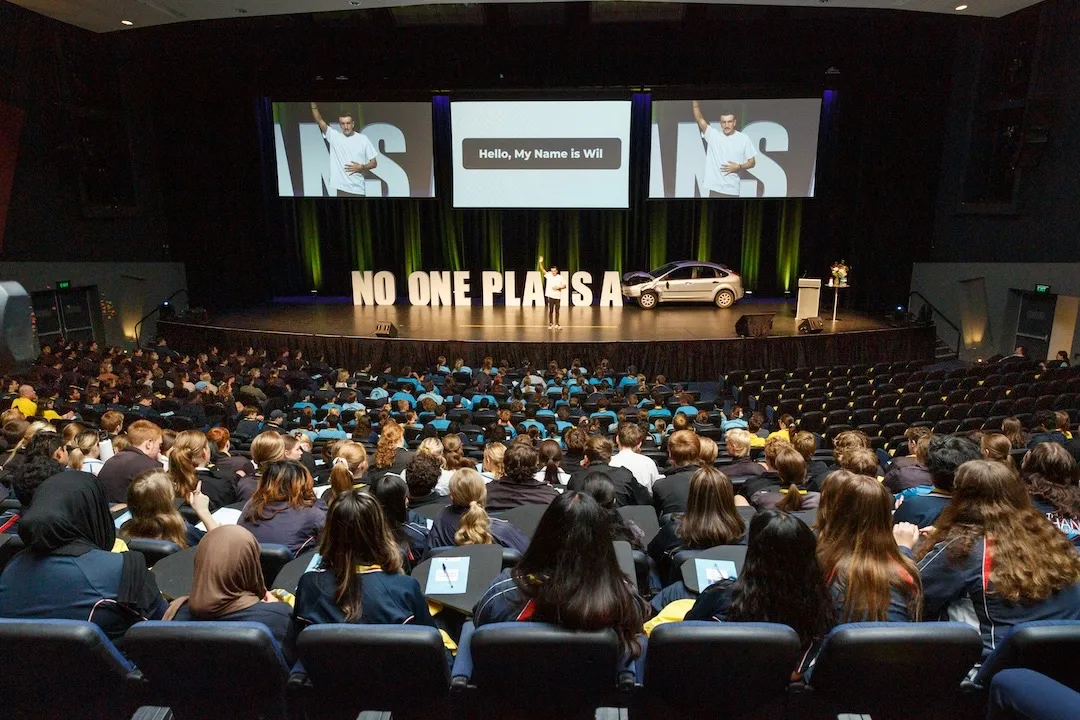
Leadership should be taught like reading: from the first year of school, to every student, as a core skill with a sequence and a standard. Right now, most schools treat it as a badge for a few students in their final year.
We’re failing young people when we treat leadership as optional.
Think about it. Maths and English are mandatory from the first day of school. But the one skill every student will use for the rest of their life, leadership, is left until the end. Or worse, left out completely.
And then we wonder why so many young people struggle with confidence, communication and resilience when they leave school.
What is leadership literacy?
Leadership literacy is the ability to lead yourself, work with others and create change, taught and practised the way we teach reading. Early, universally, and in a sequence that builds.
Nobody argues that only the top 5% of readers should get taught to read. Nobody waits until Year 12 to introduce books. But that is exactly what we do with leadership. A prefect body, a captain’s badge, a leadership camp for the chosen few, and a speech at assembly for everyone else.
The 95% who never get the badge learn a lesson too. Leadership is for other people.
Why does leadership belong beside literacy and numeracy?
Three reasons.
It is the skill with the longest shelf life. The DELL Future of Work report estimates 85% of the jobs that will exist in 2030 have not been invented yet. Nobody can tell a Year 7 what the job will be. We can tell them they will have to lead themselves through it.
It is tied to wellbeing. Youth Leadership Academy Australia’s programs are built on Self-Determination Theory (Deci and Ryan, 2000), Self-Efficacy Theory (Bandura, 1977) and Growth Mindset (Dweck, 2006). That is not decoration. Students who believe they can influence what happens to them cope better with what happens to them. Mission Australia’s 2022 Youth Survey found 41.5% of young people named school pressure as their biggest challenge. Agency is not a luxury for those students. It is the thing that makes the pressure survivable.
It works. Across 1,500+ schools, after a YLAA program 95% of students say they feel more confident to lead their community and 94% feel more prepared for the future. Those numbers come from an impact framework built with the University of Melbourne, not a feedback form on the way out.
What does a leadership curriculum look like from Year 5?
It does not look like a textbook. It looks like a sequence of real responsibility.
Years 5 and 6: lead yourself. Goal setting, speaking in front of a group, owning a small project from start to finish. The first time a 10-year-old pitches an idea to a room and gets a yes, something permanent happens.
Years 7 to 9: lead with others. Teamwork, communication, disagreement without damage. This is where most schools go quiet, right when students most need something that is theirs. Run the house system, the fundraiser or the wellbeing week as a student-led project with a budget and a deadline.
Years 10 to 12: lead change. Identify an issue, understand its causes, explore opportunities, plan, assign roles, pitch. That six-step Creating Change model is the backbone of the workshop I run, and it works because by Year 10 the student has already done the smaller versions.
Notice none of that adds a subject. It changes who owns the things already on the timetable.
Doesn’t this only work for “natural leaders”?
No. That belief is the whole problem.
Nobody is a natural reader. Some students arrive with more books at home. Leadership is the same. Some students arrive with more opportunities to be heard. The job of a school is to close that gap, not confirm it with a badge.
I grew up in Collie, a coal mining town in regional WA. Nobody at my school was handing out leadership. I had to go and find it at a summit paid for by the local community bank. That one week is the reason a national organisation exists. Imagine if it had been in the timetable.
What should a school leader do next week?
Pick one thing students currently receive and make it something students run.
Not a committee that advises. A team that decides, spends and delivers. Give them the Creating Change steps and a teacher who coaches instead of controls. Then measure it with the same seriousness you would measure a reading intervention.
That is the shift. Leadership as literacy. Taught to everyone, early, on purpose.
Imagine if leadership was given the same weight as literacy in your school. What would change?
Quick answers
Why should leadership be taught in schools?
Because it is the one skill every student will use for the rest of their life, at work, at home and in their community, and because the research links self-efficacy and confidence to wellbeing. Leaving it until Year 12 or to a handful of prefects means most students leave school without it.
What leadership skills can students learn before Year 10?
Self-leadership, communication, problem solving, teamwork, decision making and resilience. All of them can be taught and practised from Year 5 using real projects, not theory.
How do schools teach leadership without adding another subject?
Embed it. Leadership is a way of running existing things, from class projects to house activities to camps, where students own real decisions with real outcomes. The content is already in the timetable. The ownership is what is missing.
From the road

The author
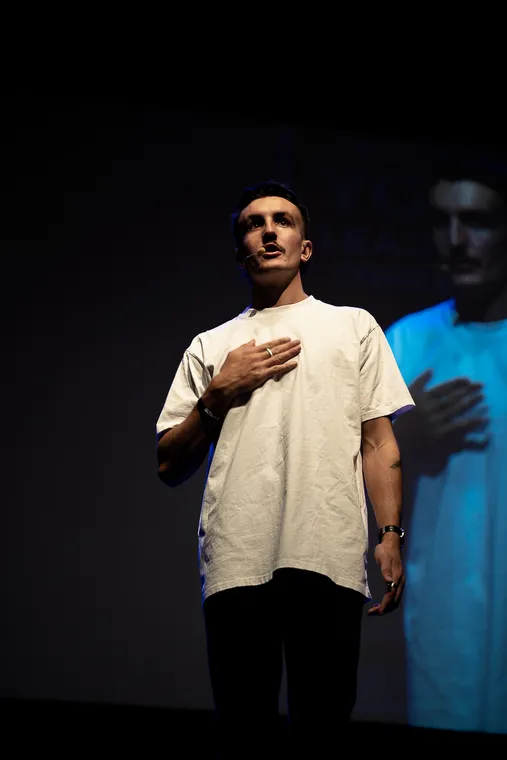
Wil Massara is a Gen Z keynote speaker on youth leadership, education and the future of work. He founded Youth Leadership Academy Australia at 15; it has reached 65,000+ young people across 1,500+ schools. He is General Manager at The Youth Impact Foundation and co-host of Podclass.