What principals actually want from a school speaker
After speaking to students and staff across 1,500+ schools, here is what principals want from a school speaker: relevance, respect for the approval chain,.

Wil Massara, Blog, Education, published 15 September 2026, 6 min read
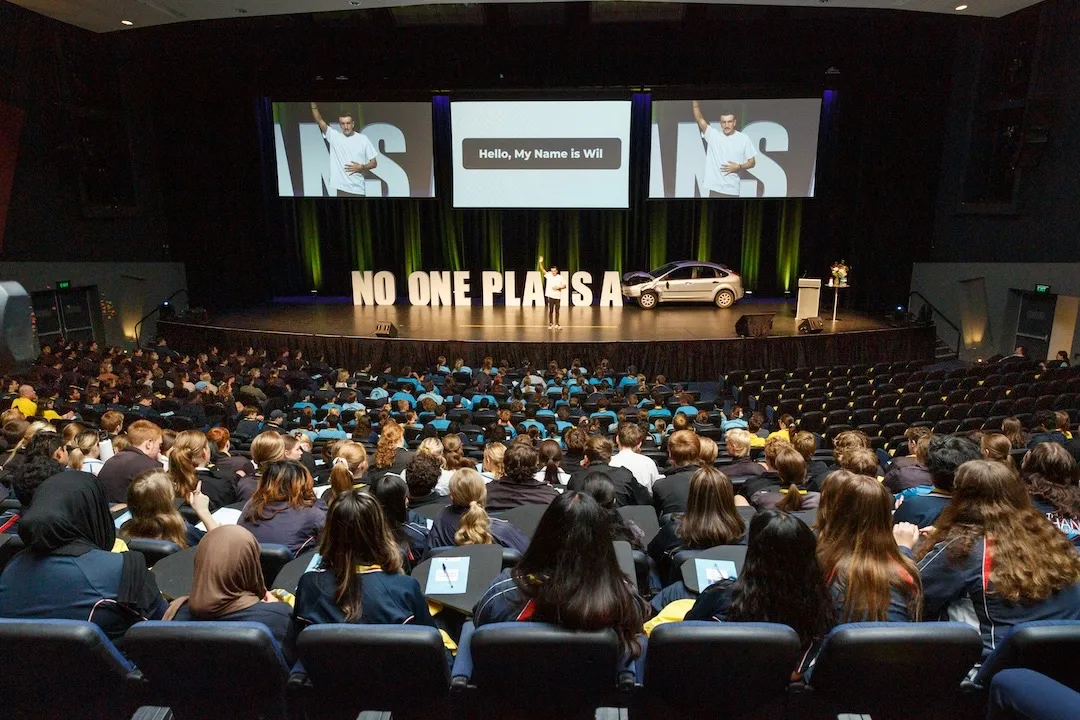
Principals want a school speaker who is relevant to their actual students, respects how a school works, fits the term, carries a current Working With Children Check and leaves a session Year 9 will still be talking about on Monday. What they hate is hype, vagueness and anyone who treats the school like a venue.
I have spoken to students and staff across 1,500+ schools through Youth Leadership Academy Australia. I have also sat on the other side, reading the emails from speakers who want to come in. Here is what the people who sign off are actually weighing up.
What makes a school speaker worth booking?
Relevance first. A principal is asking one question: will this change something for my students, or is it a nice morning?
The speakers who get rebooked can answer that in a sentence. “Your Year 10 leadership team will leave with a project plan they pitch to you in Week 8.” That is an outcome. “An inspiring session on resilience and leadership” is a hope.
Second, evidence. Not testimonials from other speakers’ friends. Data. After YLAA programs, 97% of students say they feel more empowered to create change and 99% of schools would recommend the program. Principals report to boards and parents. Give them a number they can repeat.
Third, fit with the people in the room. A session for Year 5 is not a session for Year 11 with smaller words. If a speaker cannot tell you how the content changes by year level, they have one talk and your students are getting it whether it fits or not.
What do principals hate about school speakers?
Three things come up every time.
Shock and hype. The speaker who tells a devastating personal story, gets a standing ovation and leaves 400 teenagers emotionally wrung out with nothing to do about it. Wellbeing staff spend the next week picking up the pieces. Principals remember.
Treating the school like a venue. Late confirmation. No pre-event call. Arriving without knowing the school’s name, the year level or why they were booked. Schools are not a stop on a tour. They are the most complex organisations most of us ever walk into.
Vague pricing and vague outcomes. If the fee and the deliverable need three emails to find, the deputy has already moved on.
How does the school approval chain actually work?
This is the bit most speakers never see.
Picture this. A head of wellbeing hears you at a conference. She wants you in. She now has to convince a deputy who owns the budget and the timetable, who has to clear it with the principal, who may have to explain it to a board or a parent body. Every one of those people has less context than the one before.
Make the chain easy. One page. Who you are, what the session delivers, the fee, the format, the year levels, your WWCC number and your insurance. If the head of wellbeing can forward one attachment and get a yes, you are in. If she has to write her own summary, you are competing with everything else on her list.
When should a school book a speaker?
Terms 1 and 2 for anything to do with student leadership, when new leaders have just been elected and have the rest of the year to act. Early Term 3 for wellbeing, transition and exam-season resilience.
Avoid exam blocks, the last two weeks of Term 4 when nobody is listening, and the first week of any term when nobody is organised. Book three to six months ahead. March is YLAA national tour month, so my own calendar fills early for that window.
What makes a session land with Year 9?
Year 9 is the test. If a speaker can hold Year 9, they can hold anyone.
Three things work. Speak to them, not at them. Give them something to do inside the session, not just listen to. And be honest about your own failures before you talk about your wins. I got no ATAR. That one line buys more trust in a Year 9 room than any award.
What does not work: telling them they are the leaders of tomorrow. They have heard it. They know it means wait.
What should a principal ask before booking?
Five questions.
- What will students be able to do after this that they could not do before?
- How does the content change between year levels?
- Can you show me the data from other schools?
- Is your WWCC current in this state, and can you send the number today?
- What do you need from us, and what do you do if the tech fails?
A speaker who answers all five in one reply is probably worth having. One who answers with a showreel link is probably not.
If you lead a school and want to see how I answer them, the schools page has the outcomes, the formats and the data, and the booking form gets you a reply within one business day.
What was the last school speaker your students were still talking about a week later, and what did they actually do differently?
Quick answers
What do principals look for in a school speaker?
Relevance to their students, a clear outcome they can explain to parents and staff, a current Working With Children Check, a professional approach to the approval chain, and a session that holds a Year 9 audience without relying on shock or hype.
When is the best time to book a speaker for a school?
Terms 1 and 2 for student leadership and the start of Term 3 for wellbeing and transition. Avoid exam blocks, the last fortnight of Term 4 and the first week of any term. Book three to six months ahead.
How do schools book a speaker?
Usually a head of wellbeing, year coordinator or student leadership coordinator proposes it, the deputy approves budget and timetable, and the principal signs off. Give that chain a one-page summary, the fee, the outcome and the WWCC up front.
From the road

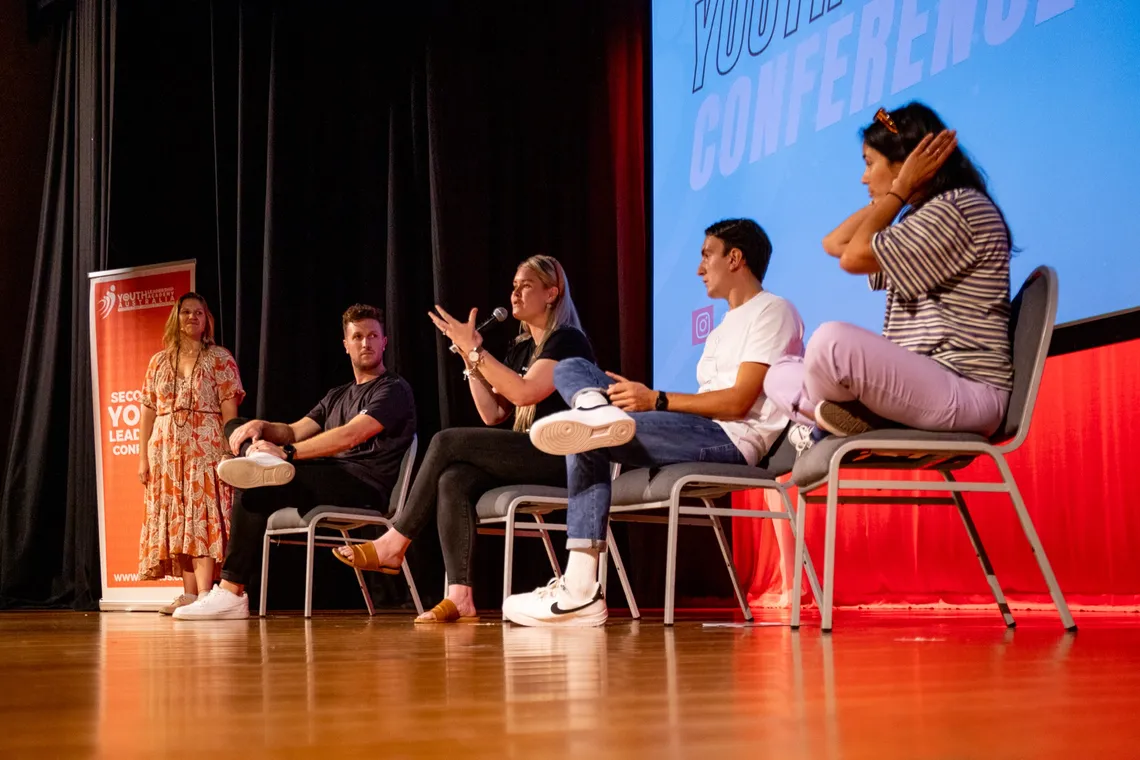

The author
Wil Massara is a Gen Z keynote speaker on youth leadership, education and the future of work. He founded Youth Leadership Academy Australia at 15; it has reached 65,000+ young people across 1,500+ schools. He is General Manager at The Youth Impact Foundation and co-host of Podclass.