Why 'leaders of tomorrow' is the most damaging phrase in education
Calling students the leaders of tomorrow tells them to wait. 30% of Australians are under 25 and they are already leading.

Wil Massara, Blog, Youth leadership, published 20 October 2026, 5 min read
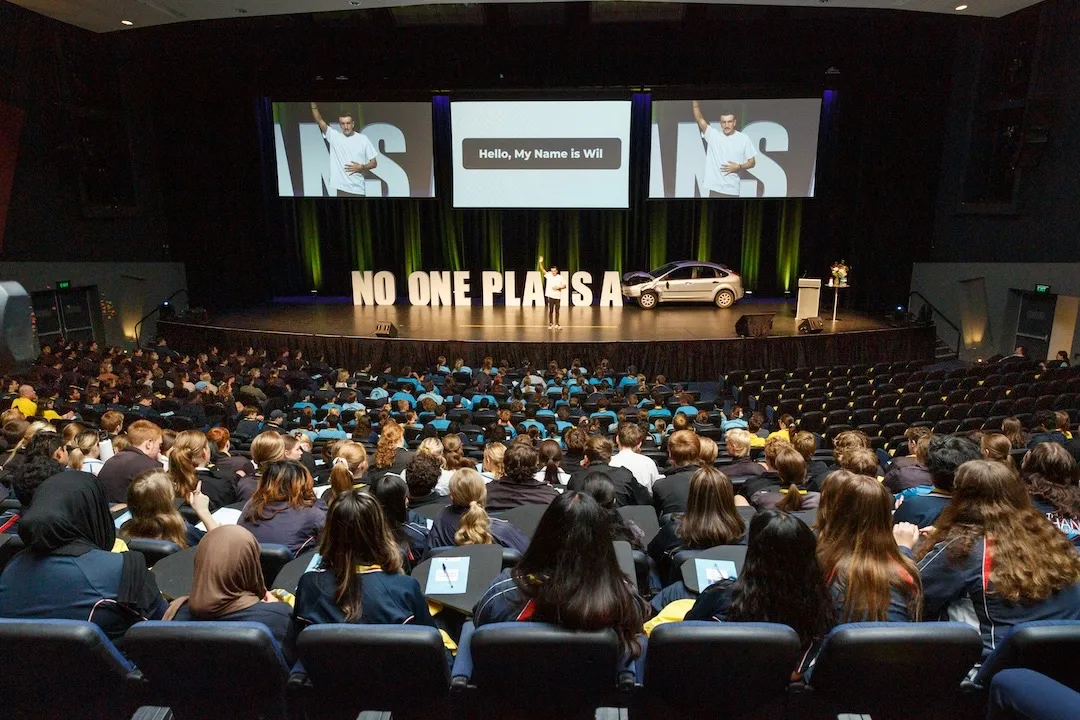
“Leaders of tomorrow” is the most damaging phrase in education because it tells young people to wait. It sounds like praise. It works like a delay.
Every time it gets said at an assembly, a graduation or a council launch, it quietly pushes leadership to a date that never arrives. Not now. Later. When you have finished school, finished uni, got a job, got some experience.
Here’s the truth imo: 30% of Australians are under 25. That is not a generation in waiting. That is a third of the country.
What does “leaders of tomorrow” actually teach students?
It teaches them that their contribution starts after school.
Think about it from a 15-year-old’s side. You are told you are the leader of tomorrow. You look around and see nobody asking for your opinion today. The message lands exactly as intended: your job right now is to prepare, be patient and not get in the way.
So students learn to wait. And the adults around them get to defer the hardest part of leadership education, which is sharing real decisions with people who might get them wrong.
The phrase is comfortable for everyone except the young person.
Why does this matter so much?
Because the evidence says young people lead when they are given the chance, not when they reach a certain age.
I founded Youth Leadership Academy Australia in Year 11. The first event was 65 students in a football clubroom in Perth. Nobody waited for a qualification. Since then, YLAA has reached 65,000+ young people across 1,500+ schools, and after our programs 97% of students say they feel more empowered to create change.
That number is not a mindset shift. It is what happens when someone finally treats you as a leader of today.
And the stakes are real. Mission Australia’s 2022 Youth Survey found 41.5% of young people named the school environment, academic pressure and workload as their most significant challenge. Students carrying that kind of load do not need another speech telling them their time is coming. They need something to lead now that makes the load feel worth it.
What happens when young people are allowed to lead now?
Picture this. A council has a DRAFT youth strategy on the table. Not a finished one. A draft.
Instead of releasing it, they put it in front of 150 young people from 20 schools and ask one question: did we get this right?
The room pushed back on action items that did not ring true. They backed the ones that did. The strategy that came out the other side was shaped by the people it was about.
That is what young people leading now looks like. It is not a youth speech slot at the AGM. It is a real decision, changed by real young people, before it was locked in.
Every school has a version of this available. The uniform policy. The wellbeing program. The camp. The canteen. The question is whether the students in the room are consulted after the decision or trusted before it.
What should schools say instead?
Say what is true. Young people lead now.
Then back it up, because a new phrase without new responsibility is just a new slogan. Three things make it real.
1. Give responsibility with consequences. A student leadership team with a budget they can actually spend, and a project that can actually fail, learns more in one term than a prefect body learns in a year of reading notices.
2. Put students in the room before decisions are made. Co-design, not for-design. If young people only hear about a decision once it is announced, they are an audience, not leaders.
3. Treat leadership as a skill to be taught, not a title to be awarded. Maths and English are mandatory from day one. Leadership is left until Year 12 or left out completely. Then we wonder why confidence and communication fall over the moment students leave the gate.
Is this just semantics?
No. Language sets expectations and expectations set behaviour.
A school that says “leaders of tomorrow” organises itself around preparation. A school that says “young people lead now” organises itself around participation. Those are two different timetables, two different budgets and two different sets of students walking out the door.
The award citation I am proudest of ends with the line “young people aren’t the leaders of tomorrow, they’re leading now.” I did not write it. An awards panel did, after watching what young people do when someone backs them.
If you lead a school, a council or a youth program, this is the one change that costs nothing and shifts everything. Drop the phrase. Replace it with the responsibility.
I speak about this in every room I walk into, from Year 5 assemblies to principal conferences. If you want the argument in front of your staff or your students, that is what I do.
So here is my question. When was the last time a decision at your school was changed by a student before it was announced?
Quick answers
Why is 'leaders of tomorrow' a problem?
Because it postpones leadership to a date that never arrives. It tells students their contribution starts after school, which teaches them to wait rather than act, and it lets adults defer the hard work of sharing real decisions.
What should schools say instead of 'leaders of tomorrow'?
Say what is true: young people lead now. Then back it up with responsibility that has consequences, real budgets, real audiences and real decisions, not a badge and a speech at assembly.
Can young people really lead before they finish school?
Yes. Youth Leadership Academy Australia was founded by a Year 11 student and has since reached 65,000+ young people across 1,500+ schools. Student-led campaigns, councils and summits happen every week in Australian schools.
From the road

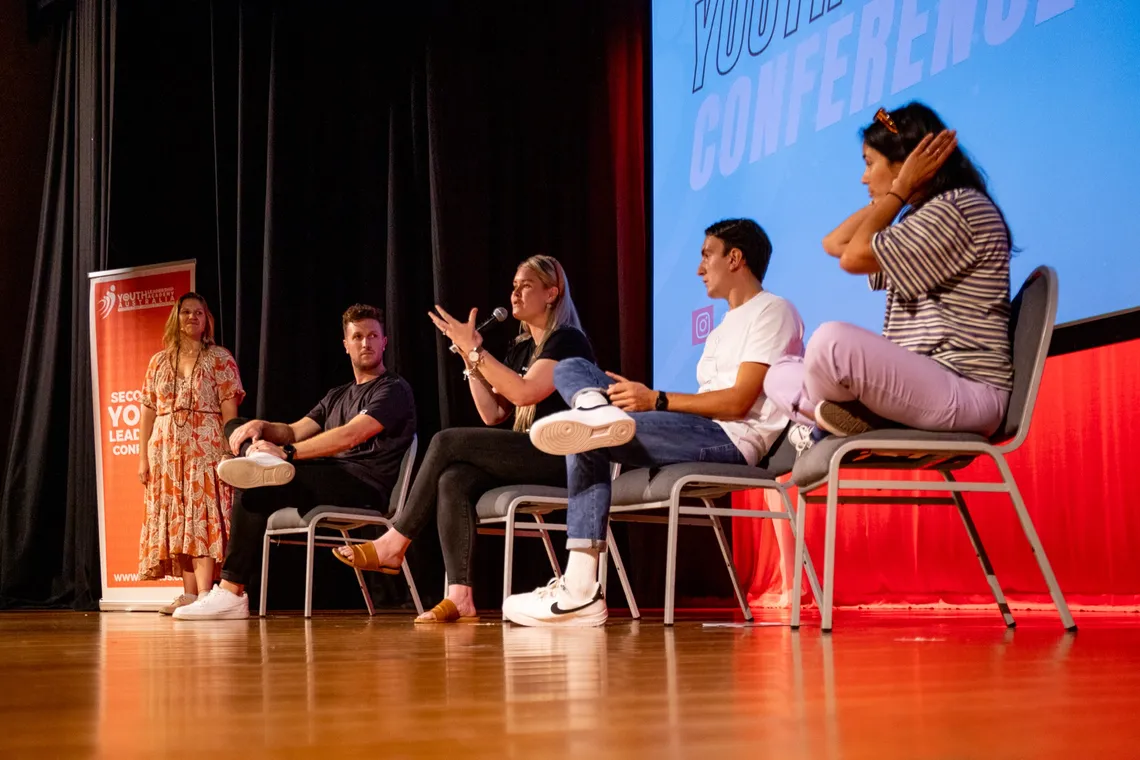

The author
Wil Massara is a Gen Z keynote speaker on youth leadership, education and the future of work. He founded Youth Leadership Academy Australia at 15; it has reached 65,000+ young people across 1,500+ schools. He is General Manager at The Youth Impact Foundation and co-host of Podclass.